×
Back to menu
HomeBlogBlogHow to Reduce Baby Expenses Without Cutting Corners

How to Reduce Baby Expenses Without Cutting Corners

How to Reduce Baby Expenses Without Cutting Corners

20% off on product page · save $2.50

How to Reduce Baby Expenses Without Cutting Corners

Nathan Brown · 6 min

How to Reduce Baby Expenses Without Cutting Corners

Start with a monthly baby budget you can adjust

Begin with what you actually spend. Separate predictable expenses, such as diapers and childcare, from occasional ones, such as clothing in a new size. Recent receipts and local prices will tell you more than another family’s estimate. If you are starting from scratch, the Consumer Financial Protection Bureau’s budgeting resources can help you organize income and expenses.

Set aside a modest buffer for changing needs, then review the numbers once a month. A useful budget can change with your baby, your work schedule, and your household income. Before adding a subscription or other recurring purchase, ask what it will replace and whether the new monthly total still works.

A simple baby-expense check-in

Expense What to track Possible adjustment
Diapers and wipes Monthly quantity and cost Compare unit prices; avoid overbuying one size
Feeding Supplies actually used Replace worn items when needed
Clothing Sizes and items on hand Accept hand-me-downs or buy secondhand
Childcare Fees and schedule changes Recheck benefits and local options
One-time gear Price and expected use Borrow or buy used when appropriate and safe

Wait where you can; protect safety where you cannot

Keep three short lists: needed now, can wait, and could borrow. Waiting until a need is clear can prevent duplicate purchases and show you which features matter in your daily routine. It can also leave room in the budget for a need you could not predict.

A bargain is not worthwhile if an item is unsafe or incomplete. For gear that affects sleep, travel, or feeding safety, follow current manufacturer instructions and relevant safety guidance. Before using secondhand gear, confirm that all necessary parts are present and search the U.S. Consumer Product Safety Commission’s recall database. When you cannot verify an item’s condition or safe use, choose another option.

For a larger purchase, estimate how often you will use it rather than judging by the sticker price alone. Cost per use is helpful, but it is not the whole decision: a convenient option may be worth paying for if it meaningfully reduces strain on your family.

Featured in this guide

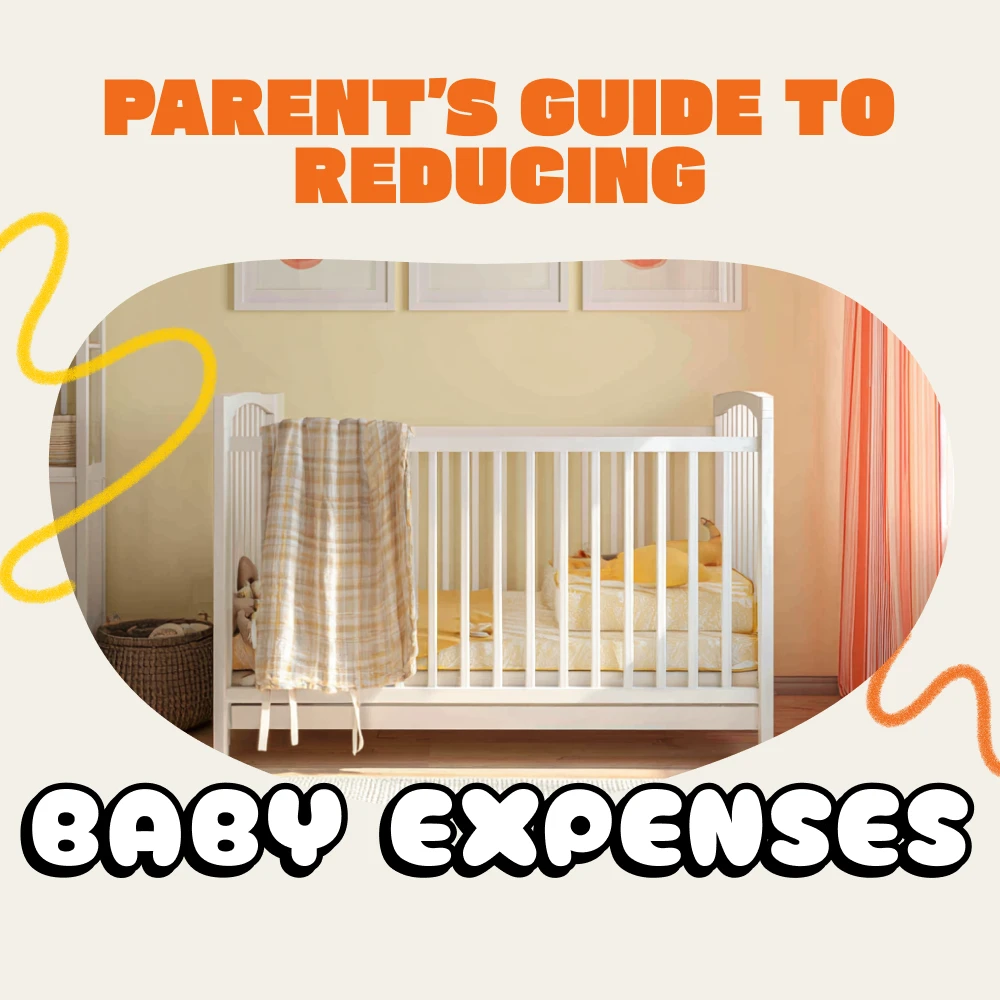
A Parent’s Guide to Reducing Baby Expenses | Digital Money-Saving Guide for New Parents | Budgeting, AI Tips & Sustainable Family Planning — How to Reduce Baby-Related Expenses

View product

Make your planning tools earn their place

A simple note or spreadsheet can track sizes, supplies on hand, upcoming needs, and prices you have compared. Share it with caregivers if that helps you avoid buying the same thing twice.

AI can help draft a shopping checklist or organize expense categories, but treat its suggestions as prompts, not decisions. Verify prices, safety instructions, and benefit eligibility with the appropriate retailer, manufacturer, agency, or program administrator. Our digital guide focuses on budgeting, AI tips, and sustainable family planning if you would prefer a dedicated resource alongside your own numbers.

Choose reuse and bulk buying selectively

Hand-me-downs and clothing swaps can help when sizes change quickly. Assess condition and recalls before use, especially for gear. For reusable supplies, count cleaning costs, time, and what your household can realistically maintain rather than assuming they will always cost less.

Bulk purchases help only when the unit price is lower and you can use the supplies before your needs change. Count what is already at home first. If you are also shopping for an older child, a planned purchase such as our Kids Pajama Set belongs in that child’s clothing budget, not a newborn essentials list.

Watch the A Parent’s Guide to Reducing Baby Expenses | Digital Money-Saving Guide for New Parents | Budgeting, AI Tips & Sustainable Family Planning — How to Reduce Baby-Related ExpensesWatch the A Parent’s Guide to Reducing Baby Expenses | Digital Money-Saving Guide for New Parents | Budgeting, AI Tips & Sustainable Family Planning — How to Reduce Baby-Related Expensesproduct video

Watch · product page video

“This guide is a lifesaver! It’s full of practical tips and advice to help cut down on baby expenses. Really, it’s worth every penny.”

Charmano product page · Product review

View product

FAQ

Which months are considered the hardest with a baby?

There is no universal hardest month. Sleep changes, feeding needs, recovery, and childcare transitions affect families differently, so keep your budget flexible and ask for support when you need it.

What is the 7 7 7 rule for parents?

“7 7 7” does not identify one universally accepted parenting or baby-care rule. If someone recommends it, ask what they mean before using it to make decisions about your baby or your budget.

What is the 5-3-3 rule for babies?

There is no single, universally accepted “5-3-3 rule” for babies. Ask the person using the term to define it, and check with your pediatrician before treating a suggested feeding or sleep schedule as guidance for your child.

See if A Parent’s Guide to Reducing Baby Expenses | Digital Money-Saving Guide for New Parents | Budgeting, AI Tips & Sustainable Family Planning — How to Reduce Baby-Related Expenses fits your setup

View product

Leave a comment

Why charmano.com?

Uncompromised Quality
Experience enduring elegance and durability with our premium collection
Curated Selection
Discover exceptional products for your refined lifestyle in our handpicked collection
Exclusive Deals
Access special savings on luxurious items, elevating your experience for less
EXPRESS DELIVERY
FREE RETURNS
EXCEPTIONAL CUSTOMER SERVICE
SAFE PAYMENTS
Top

Shopping cart

×