-
Shop
- Advanced Technologies
- AI Career Advantage Collection
- AI Skills for Creators & Freelancers
- AI Client Management
- AI Ethics
- AI Mindset
- AI Tools & Prompts
- AI Writing & Content Creation
- Audio, Voice & Music
- Design & Visual Creation
- Email, Messaging & Communication
- Freelancing & Business
- Marketing, Ads & Conversion
- Productivity, Workflow & Automation
- SEO & Search Optimization
- Social Media Content & Growth
- Strategy, Planning & Analytics
- Video Creation & Editing
- AI Skills Mastery 2026 Collection
- Apple Accessories
- Armani
- Back to School
- Balanced Living
- Bathroom
- Best-Sellers
- Black Friday
- Calvin Klein
- Car Accessories
- Confidence
- Dating & Social Skills
- Digital Resources
- AI & Technology
- AI Skills
- Beauty
- Car Buying & Ownership
- Cozy Feast Collection
- Electronics & Technology
- Financial Education
- Hobbies
- Home Styling & Organization
- Kitchen & Recipes
- Mindset
- Online Business
- Parenting & Child Development
- Personal Style & Fashion
- Pet Lifestyle & Wellness
- Smart Life with AI
- Travel Planning
- Wellness
- Yoga & Fitness
- Education & Learning
- Electronics
- Everyday Wellness
- Family & Parenting
- Fashion
- Accessories
- Alexander McQueen
- Bags
- Bags & Wallets
- Balenciaga
- Belts
- Blazers
- Blouses & Shirts
- Bottega Veneta
- Bottoms
- Brunello Cucinelli
- Burberry
- Chanel
- Chloé
- Clothing
- Dior
- Dolce & Gabbana
- Dresses
- Etro
- Fendi
- Gucci
- Hats & Hair Accessories
- Hoodies & Sweatshirts
- Jacquemus
- Jewelry
- Jil Sander
- Keychains
- Kiton
- Luggage
- Luggage Bags
- Miu Miu
- Off-White
- Outerwear
- Prada
- Rick Owens
- Saint Laurent
- Scarves
- Shoes
- Socks & Tights
- Sunglasses
- Sweaters & Cardigans
- The Row
- Tom Ford
- Tops & Shirts
- Valentino
- Valentino Garavani
- Versace
- Vivienne Westwood
- Watches
- Fashion Accessories
- Fitness Nutrition & Meal Prep
- Furniture
- Gadgets
- Guess
- Halloween
- Health & Beauty
- Health & Wellness
- Healthy Lifestyle
- Home & Garden
- Home Decor
- Home Electronics
- Home Supplies
- Home Workouts
- Kids & Babies
- Kitchen
- Kitchen Best-Sellers
- Lighting
- Luxury Brands Collection
- Men's Wellness & Lifestyle
- Mindfulness
- Outdoor & Active Lifestyle
- Patio, Lawn & Garden
- Personal Growth
- Pet Care
- Pet Supplies
- Pets
- Samsung Accessories
- Self-Care & Personal Rituals
- Smart Amazon Shopping
- Sport
- Sport & Outdoors
- Super Deals
- Thanksgiving
- Tommy Hilfiger
- Travel
- Travel & Adventure
- Video Games
- Wealth
- Wealth Building
- Budgeting & Saving
- Cryptocurrency Investing
- Debt Management
- Entrepreneurship & Business Growth
- Family Finance & Budgeting
- Financial Independence
- Financial Mindset & Psychology
- Financial Planning
- Frugal Living & Expense Hacks
- Goal Setting
- High-Income Skills
- Investing Basics
- Leadership
- Motivation
- Networking & Mentorship
- Passive Income Strategies
- Real Estate Investing
- Side Hustles
- Stock Market Investing
- Yoga & Pilates
Can You Use Dog Hair Trimmers on Cats? Safety Tips
61% off on product page · save $37.07
Can You Use Dog Hair Trimmers on Cats? Safety Tips
Can Dog Hair Trimmers Be Used on Cats?
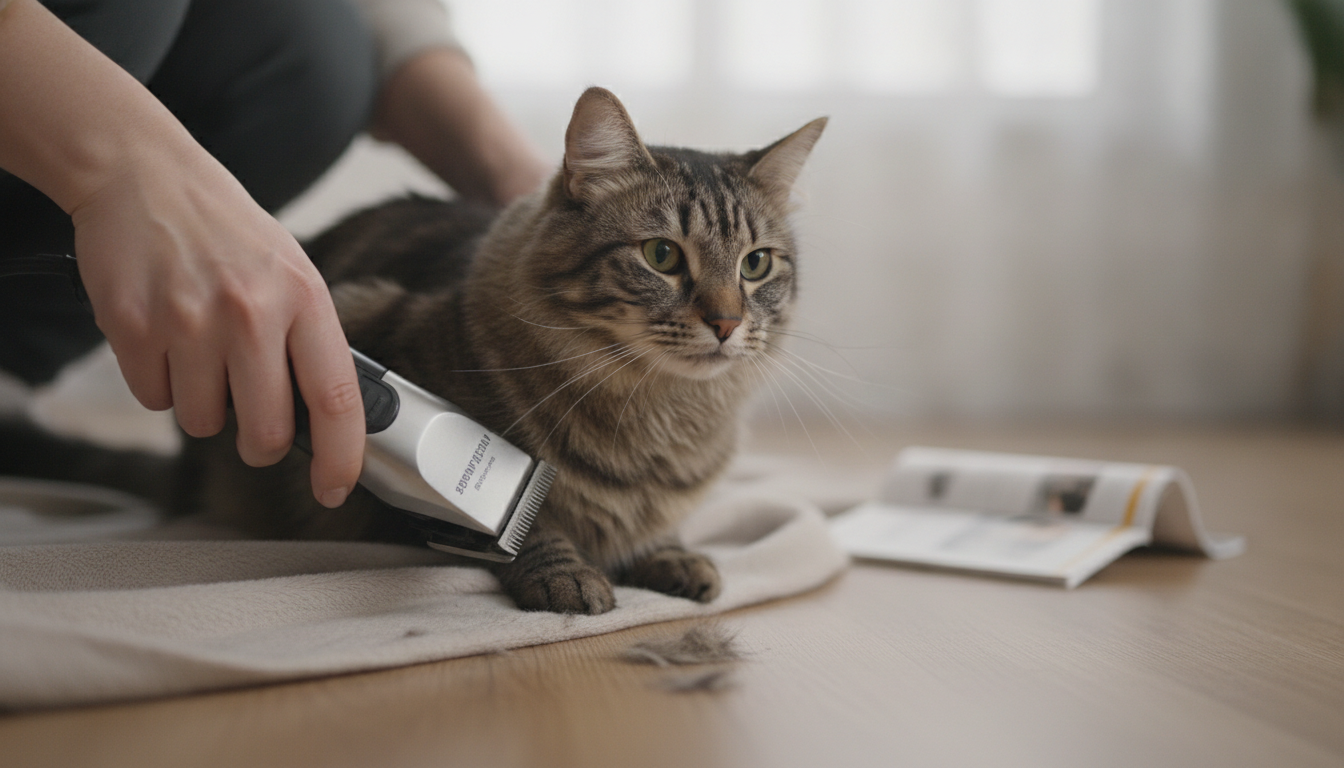
Yes, you can use a dog hair trimmer on a cat if the trimmer is suitable for cats and you can handle your cat safely during grooming. A tool intended for both species, such as our Rechargeable Pet Hair Trimmer for Dogs & Cats, is an option to consider, but the right grooming approach still depends on your cat’s coat, temperament, and needs.
What Makes Cat Grooming Different?
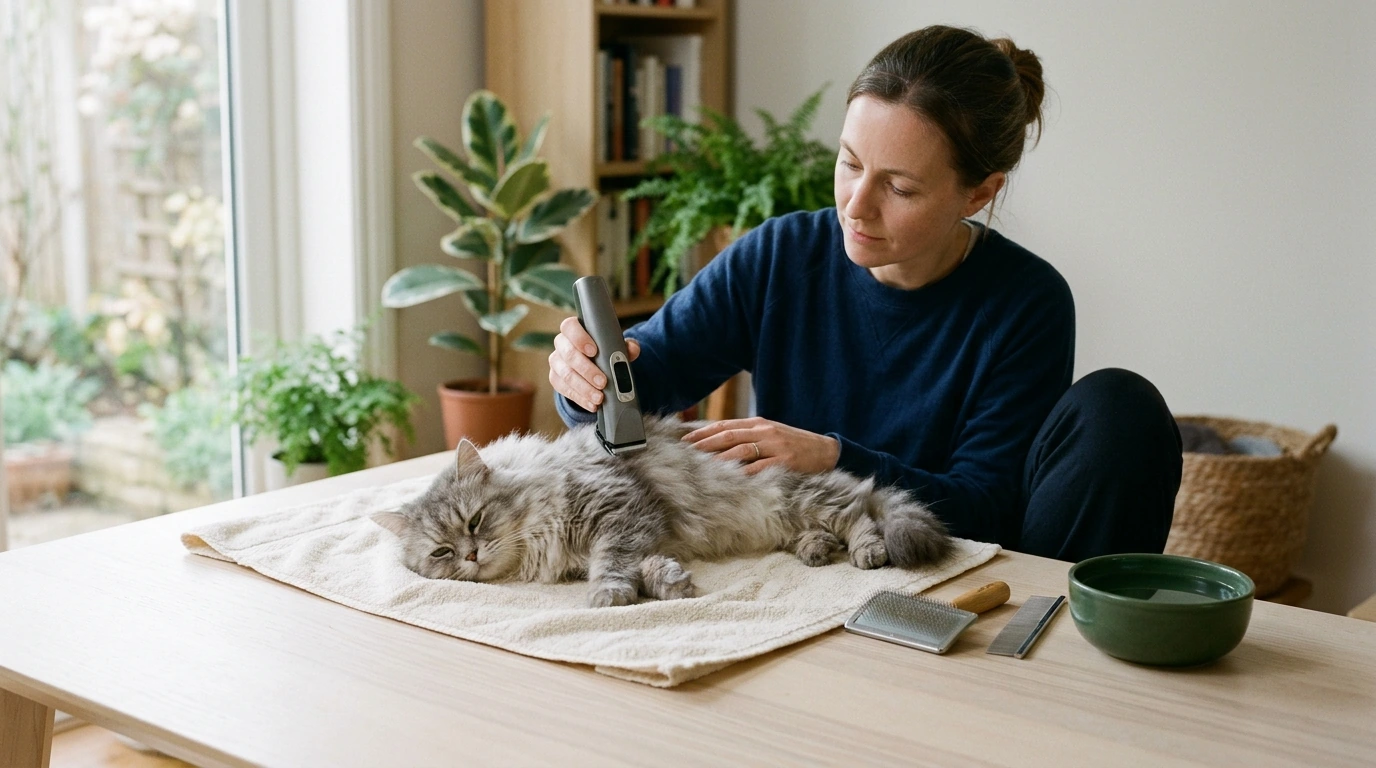
Cats have thin, flexible skin that can be pulled into a blade, particularly around the belly, armpits, groin, and other areas with folds. Even a trimmer that works well on a dog should be used cautiously on a cat, and we recommend asking a veterinarian or experienced cat groomer for help with sensitive areas or tightly matted fur.
Featured in this guide
Rechargeable Pet Hair Trimmer for Dogs & Cats
How Should You Introduce the Trimmer?
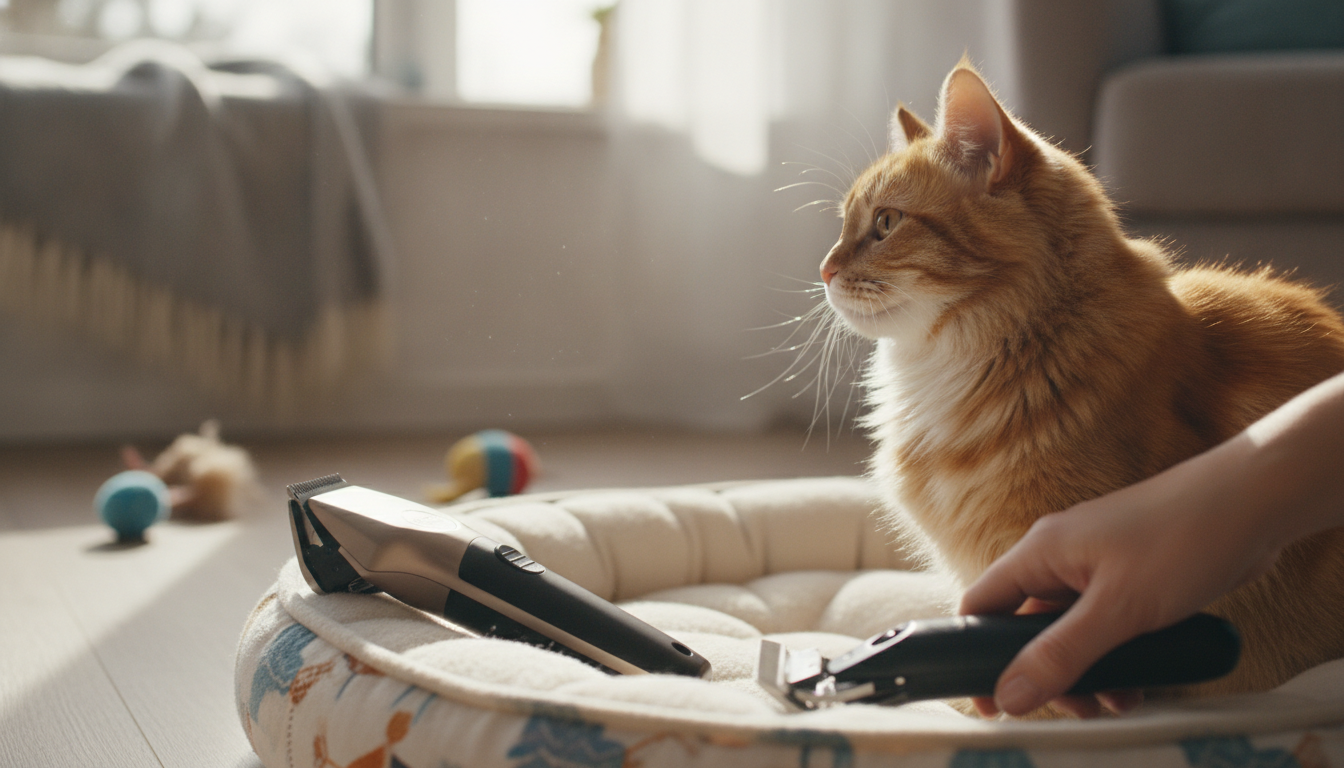
Start when your cat is relaxed, let them become familiar with the trimmer, and briefly switch it on nearby before attempting to groom, rewarding calm behavior and stopping if they become distressed. Work in short sessions on an easily accessible area, keep the skin flat without pulling it, and check the blade frequently for heat; if the blade becomes warm, stop and let it cool before continuing.
When Should You Get Professional Help?
Do not try to cut out a tight mat with scissors or force a trimmer underneath it, because skin can be trapped close to the fur and injured. If your cat has extensive mats, irritated skin, or cannot tolerate handling, our team recommends contacting a veterinarian or cat groomer rather than continuing at home; you can also read our guide to the rechargeable pet hair trimmer for more context.
Check the product’s listed specifications when evaluating when should you get professional help.
FAQ
Can we use a human hair trimmer for cats?
A human hair trimmer is not necessarily designed for a cat’s coat or delicate skin, so we would choose a trimmer intended for pets instead. For mats or sensitive areas, ask a veterinarian or experienced cat groomer for guidance rather than improvising with a human trimmer.
Are dog and cat trimmers the same?
Some pet trimmers are intended for both dogs and cats, while others may be designed for a particular coat or grooming task. The handling still differs: cats’ delicate skin and tolerance for grooming call for particular care, even when you use a tool suitable for both species.
See if Rechargeable Pet Hair Trimmer for Dogs & Cats fits your setup
Was this article helpful?
Yes
No




Leave a comment