-
Shop
- Advanced Technologies
- AI Career Advantage Collection
- AI Skills for Creators & Freelancers
- AI Client Management
- AI Ethics
- AI Mindset
- AI Tools & Prompts
- AI Writing & Content Creation
- Audio, Voice & Music
- Design & Visual Creation
- Email, Messaging & Communication
- Freelancing & Business
- Marketing, Ads & Conversion
- Productivity, Workflow & Automation
- SEO & Search Optimization
- Social Media Content & Growth
- Strategy, Planning & Analytics
- Video Creation & Editing
- AI Skills Mastery 2026 Collection
- Apple Accessories
- Armani
- Back to School
- Balanced Living
- Bathroom
- Best-Sellers
- Black Friday
- Calvin Klein
- Car Accessories
- Confidence
- Dating & Social Skills
- Digital Resources
- AI & Technology
- AI Skills
- Beauty
- Car Buying & Ownership
- Cozy Feast Collection
- Electronics & Technology
- Financial Education
- Hobbies
- Home Styling & Organization
- Kitchen & Recipes
- Mindset
- Online Business
- Parenting & Child Development
- Personal Style & Fashion
- Pet Lifestyle & Wellness
- Smart Life with AI
- Travel Planning
- Wellness
- Yoga & Fitness
- Education & Learning
- Electronics
- Everyday Wellness
- Family & Parenting
- Fashion
- Accessories
- Alexander McQueen
- Bags
- Bags & Wallets
- Balenciaga
- Belts
- Blazers
- Blouses & Shirts
- Bottega Veneta
- Bottoms
- Brunello Cucinelli
- Burberry
- Chanel
- Chloé
- Clothing
- Dior
- Dolce & Gabbana
- Dresses
- Etro
- Fendi
- Gucci
- Hats & Hair Accessories
- Hoodies & Sweatshirts
- Jacquemus
- Jewelry
- Jil Sander
- Keychains
- Kiton
- Luggage
- Luggage Bags
- Miu Miu
- Off-White
- Outerwear
- Prada
- Rick Owens
- Saint Laurent
- Scarves
- Shoes
- Socks & Tights
- Sunglasses
- Sweaters & Cardigans
- The Row
- Tom Ford
- Tops & Shirts
- Valentino
- Valentino Garavani
- Versace
- Vivienne Westwood
- Watches
- Fashion Accessories
- Fitness Nutrition & Meal Prep
- Furniture
- Gadgets
- Guess
- Halloween
- Health & Beauty
- Health & Wellness
- Healthy Lifestyle
- Home & Garden
- Home Decor
- Home Electronics
- Home Supplies
- Home Workouts
- Kids & Babies
- Kitchen
- Kitchen Best-Sellers
- Lighting
- Luxury Brands Collection
- Men's Wellness & Lifestyle
- Mindfulness
- Outdoor & Active Lifestyle
- Patio, Lawn & Garden
- Personal Growth
- Pet Care
- Pet Supplies
- Pets
- Samsung Accessories
- Self-Care & Personal Rituals
- Smart Amazon Shopping
- Sport
- Sport & Outdoors
- Super Deals
- Thanksgiving
- Tommy Hilfiger
- Travel
- Travel & Adventure
- Video Games
- Wealth
- Wealth Building
- Budgeting & Saving
- Cryptocurrency Investing
- Debt Management
- Entrepreneurship & Business Growth
- Family Finance & Budgeting
- Financial Independence
- Financial Mindset & Psychology
- Financial Planning
- Frugal Living & Expense Hacks
- Goal Setting
- High-Income Skills
- Investing Basics
- Leadership
- Motivation
- Networking & Mentorship
- Passive Income Strategies
- Real Estate Investing
- Side Hustles
- Stock Market Investing
- Yoga & Pilates
Sedan or SUV: Which Is Better for Your Life?
25% off on product page · save $7.00
Sedan or SUV: Which Is Better for Your Life?
Which vehicle fits your everyday driving?
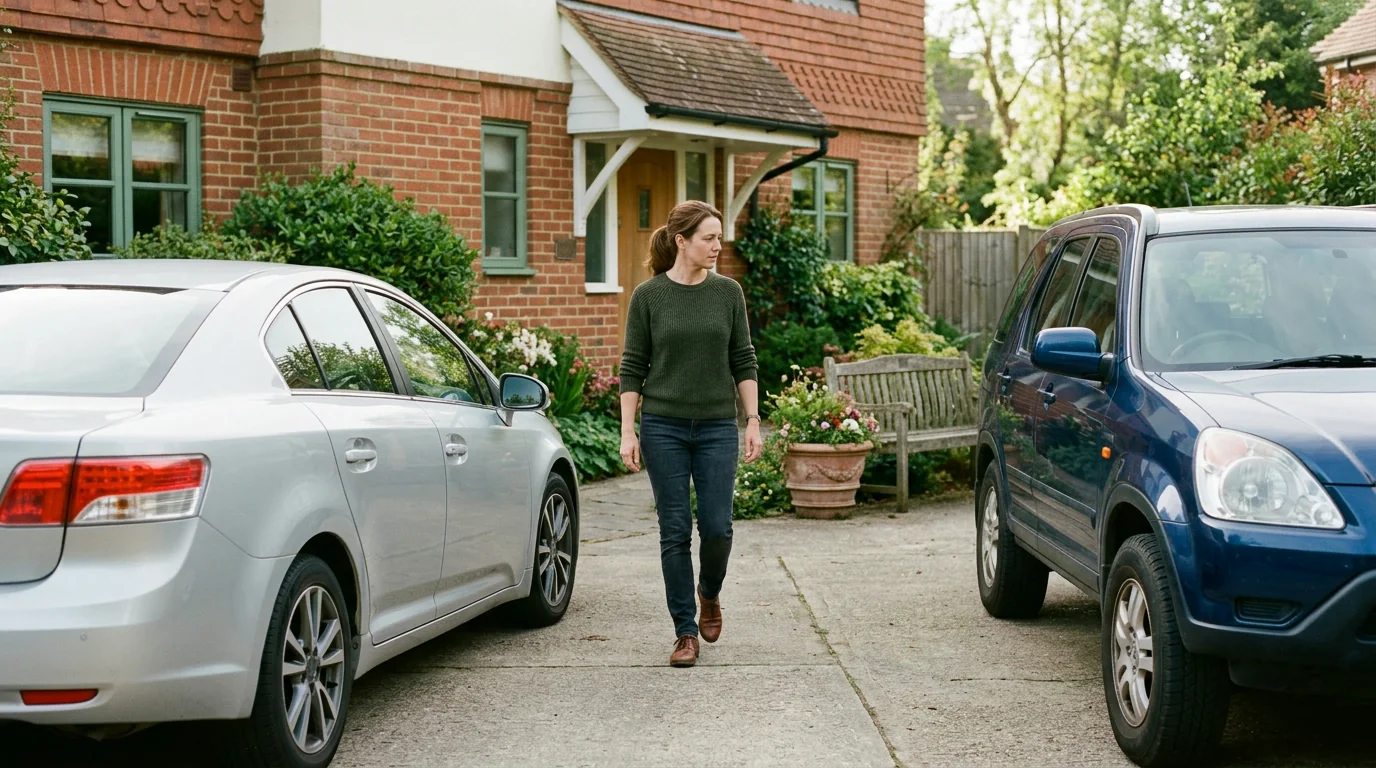
A sedan is often the better fit if you primarily commute, run errands, or drive with one or two passengers and prefer a lower seating position and a smaller vehicle. An SUV may make more sense if you regularly carry several passengers, bulky gear, or items that are awkward to load into a sedan’s trunk, though available space varies considerably by model.
Check the product’s listed specifications when evaluating which vehicle fits your everyday driving.

Compare space and comfort
Think about what you carry during a normal week, then consider the occasional trips that matter most: a sedan’s separate trunk can keep luggage out of the passenger area, while many SUVs offer a taller cargo opening and folding rear seats. If you transport children or adults in the back, bring them along for a test drive and try getting in and out, adjusting the seats, and loading any child safety seats or mobility equipment you use.

Featured in this guide
Sedan, SUV, Or Truck, What Fits You Best? – The Ultimate Guide to Choosing Your Perfect Vehicle
Consider driving and ownership costs
Many sedans are easier to maneuver in tight parking spaces and may use less fuel than comparable SUVs, but size, powertrain, and driving habits can make a significant difference. Before choosing, compare the specific vehicles you’re considering for fuel economy, insurance quotes, tire costs, and routine maintenance rather than assuming one body style will always cost less.
Match the vehicle to your conditions
An SUV can be useful when you want a higher seating position or need additional ground clearance, but its height alone does not guarantee better visibility or traction; tires and the vehicle’s equipment also matter. If you drive in snow or on rough roads, consider the conditions you actually encounter, choose appropriate tires, and look for a vehicle with the clearance and drivetrain suited to those routes.
Make your final choice
We suggest test-driving a sedan and an SUV on the same familiar roads, including a parking area and a highway, so you can compare comfort, visibility, braking feel, and ease of maneuvering. For a broader look at how vehicle types match different routines, our team recommends Sedan, SUV, Or Truck, What Fits You Best?, our guide to choosing a vehicle for your life.
See if Sedan, SUV, Or Truck, What Fits You Best? – The Ultimate Guide to Choosing Your Perfect Vehicle fits your setup
Was this article helpful?
Yes
No




Leave a comment