-
Shop
- Advanced Technologies
- AI Career Advantage Collection
- AI Skills for Creators & Freelancers
- AI Client Management
- AI Ethics
- AI Mindset
- AI Tools & Prompts
- AI Writing & Content Creation
- Audio, Voice & Music
- Design & Visual Creation
- Email, Messaging & Communication
- Freelancing & Business
- Marketing, Ads & Conversion
- Productivity, Workflow & Automation
- SEO & Search Optimization
- Social Media Content & Growth
- Strategy, Planning & Analytics
- Video Creation & Editing
- AI Skills Mastery 2026 Collection
- Apple Accessories
- Armani
- Back to School
- Balanced Living
- Bathroom
- Best-Sellers
- Black Friday
- Calvin Klein
- Car Accessories
- Confidence
- Dating & Social Skills
- Digital Resources
- AI & Technology
- AI Skills
- Beauty
- Car Buying & Ownership
- Cozy Feast Collection
- Electronics & Technology
- Financial Education
- Hobbies
- Home Styling & Organization
- Kitchen & Recipes
- Mindset
- Online Business
- Parenting & Child Development
- Personal Style & Fashion
- Pet Lifestyle & Wellness
- Smart Life with AI
- Travel Planning
- Wellness
- Yoga & Fitness
- Education & Learning
- Electronics
- Everyday Wellness
- Family & Parenting
- Fashion
- Accessories
- Alexander McQueen
- Bags
- Bags & Wallets
- Balenciaga
- Belts
- Blazers
- Blouses & Shirts
- Bottega Veneta
- Bottoms
- Brunello Cucinelli
- Burberry
- Chanel
- Chloé
- Clothing
- Dior
- Dolce & Gabbana
- Dresses
- Etro
- Fendi
- Gucci
- Hats & Hair Accessories
- Hoodies & Sweatshirts
- Jacquemus
- Jewelry
- Jil Sander
- Keychains
- Kiton
- Luggage
- Luggage Bags
- Miu Miu
- Off-White
- Outerwear
- Prada
- Rick Owens
- Saint Laurent
- Scarves
- Shoes
- Socks & Tights
- Sunglasses
- Sweaters & Cardigans
- The Row
- Tom Ford
- Tops & Shirts
- Valentino
- Valentino Garavani
- Versace
- Vivienne Westwood
- Watches
- Fashion Accessories
- Fitness Nutrition & Meal Prep
- Furniture
- Gadgets
- Guess
- Halloween
- Health & Beauty
- Health & Wellness
- Healthy Lifestyle
- Home & Garden
- Home Decor
- Home Electronics
- Home Supplies
- Home Workouts
- Kids & Babies
- Kitchen
- Kitchen Best-Sellers
- Lighting
- Luxury Brands Collection
- Men's Wellness & Lifestyle
- Mindfulness
- Outdoor & Active Lifestyle
- Patio, Lawn & Garden
- Personal Growth
- Pet Care
- Pet Supplies
- Pets
- Samsung Accessories
- Self-Care & Personal Rituals
- Smart Amazon Shopping
- Sport
- Sport & Outdoors
- Super Deals
- Thanksgiving
- Tommy Hilfiger
- Travel
- Travel & Adventure
- Video Games
- Wealth
- Wealth Building
- Budgeting & Saving
- Cryptocurrency Investing
- Debt Management
- Entrepreneurship & Business Growth
- Family Finance & Budgeting
- Financial Independence
- Financial Mindset & Psychology
- Financial Planning
- Frugal Living & Expense Hacks
- Goal Setting
- High-Income Skills
- Investing Basics
- Leadership
- Motivation
- Networking & Mentorship
- Passive Income Strategies
- Real Estate Investing
- Side Hustles
- Stock Market Investing
- Yoga & Pilates
What Is the Best Shape for a Vase? A Practical Guide
69% off on product page · save $102.93
What Is the Best Shape for a Vase? A Practical Guide
Choose a Shape That Suits Your Flowers
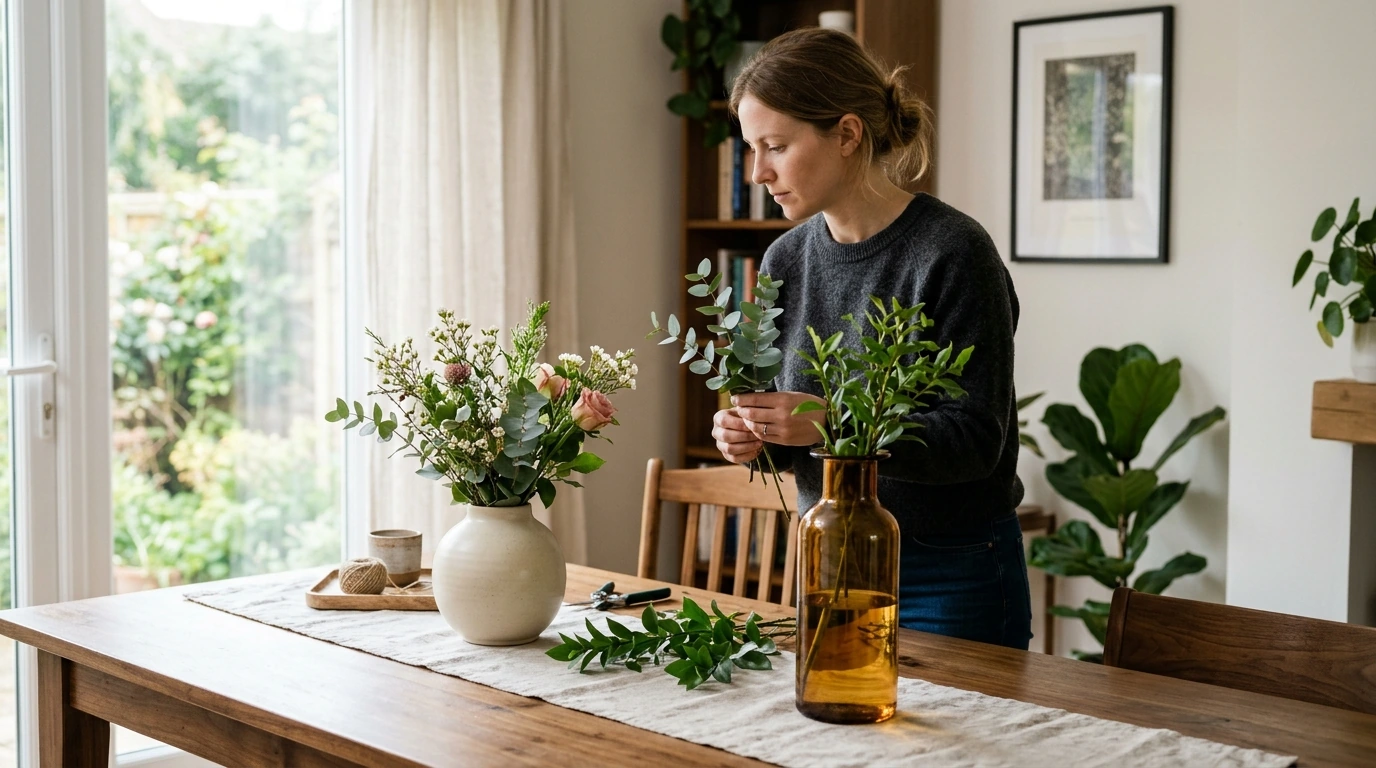
For the most versatile choice, we recommend a vase with a gently tapered body and a narrower opening: the wider lower portion gives stems room, while the neck helps hold them together in a pleasing arrangement. There is no single best shape for every bouquet, though, because the number, length, and stiffness of the stems all affect how flowers sit.
Start by considering what you usually display rather than choosing by appearance alone; a small bunch of garden flowers needs different support from a large arrangement of long-stemmed blooms. If you want one vase for everyday use, look for a medium-sized shape with an opening that can hold a modest bouquet without forcing the stems tightly together.
Match the Opening to the Arrangement
A narrow-neck vase works well for a few stems or branches because it keeps them from spreading too far, while a wide opening gives a fuller bouquet room to fan out. A cylindrical vase offers a straightforward shape for long stems, but a loose arrangement may need more flowers or foliage to fill its opening.
For short-cut flowers, choose a lower, wider vessel that allows the blooms to sit near the rim; for tall flowers, use a taller vase that supports enough of the stems to keep the arrangement balanced. As you arrange, remove leaves that would sit below the waterline and make sure the vase rests securely on a level surface.
Featured in this guide
Elegant European Porcelain Vase – Tabletop Home & Study Decoration
Consider the Vase as Decor
Shape matters even when you do not plan to add flowers: a rounded vase can soften a tabletop display, while a tall, slender silhouette draws the eye upward. Consider the space around it as well as its height, leaving room for other objects and avoiding a crowded look on a desk or shelf.
Our Elegant European Porcelain Vase is a tabletop home and study decoration to consider when you want the vase itself to contribute to the room. Our team suggests choosing a spot where its decorative presence fits comfortably with the scale of the surrounding furniture and accessories.
Check the product’s listed specifications when evaluating consider the vase as decor.
Keep Your Vase and Flowers Fresh
When using a vase for cut flowers, change the water regularly and rinse away residue so the arrangement stays pleasant to display. Clean the inside gently with a soft cloth or suitable brush, taking care around narrow necks and delicate decorative surfaces.
Porcelain can be chipped by hard knocks, so place it on a stable surface and handle it carefully when moving or cleaning it. For any vase, dry the outside and base before returning it to a tabletop to help protect the surface underneath.
FAQ
What’s the 1/3 vase rule?
The 1/3 vase rule is a visual guideline in which the vase accounts for roughly one-third of the total height and the flowers make up the remaining two-thirds. Use it as a starting point, then adjust the stem height to suit the vase, flower type, and look you prefer.
What is the best shape for a flower vase?
A vase with a wider body and a narrower neck is a versatile choice because it gives stems space while helping gather them at the opening. For a single stem, choose a narrow opening; for a full bouquet, choose an opening wide enough to let the flowers spread naturally.
See if Elegant European Porcelain Vase – Tabletop Home & Study Decoration fits your setup
Was this article helpful?
Yes
No

Leave a comment