-
Shop
- Advanced Technologies
- AI Career Advantage Collection
- AI Skills for Creators & Freelancers
- AI Client Management
- AI Ethics
- AI Mindset
- AI Tools & Prompts
- AI Writing & Content Creation
- Audio, Voice & Music
- Design & Visual Creation
- Email, Messaging & Communication
- Freelancing & Business
- Marketing, Ads & Conversion
- Productivity, Workflow & Automation
- SEO & Search Optimization
- Social Media Content & Growth
- Strategy, Planning & Analytics
- Video Creation & Editing
- AI Skills Mastery 2026 Collection
- Apple Accessories
- Armani
- Back to School
- Balanced Living
- Bathroom
- Best-Sellers
- Black Friday
- Calvin Klein
- Car Accessories
- Confidence
- Dating & Social Skills
- Digital Resources
- AI & Technology
- AI Skills
- Beauty
- Car Buying & Ownership
- Cozy Feast Collection
- Electronics & Technology
- Financial Education
- Hobbies
- Home Styling & Organization
- Kitchen & Recipes
- Mindset
- Online Business
- Parenting & Child Development
- Personal Style & Fashion
- Pet Lifestyle & Wellness
- Smart Life with AI
- Travel Planning
- Wellness
- Yoga & Fitness
- Education & Learning
- Electronics
- Everyday Wellness
- Family & Parenting
- Fashion
- Accessories
- Alexander McQueen
- Bags
- Bags & Wallets
- Balenciaga
- Belts
- Blazers
- Blouses & Shirts
- Bottega Veneta
- Bottoms
- Brunello Cucinelli
- Burberry
- Chanel
- Chloé
- Clothing
- Dior
- Dolce & Gabbana
- Dresses
- Etro
- Fendi
- Gucci
- Hats & Hair Accessories
- Hoodies & Sweatshirts
- Jacquemus
- Jewelry
- Jil Sander
- Keychains
- Kiton
- Luggage
- Luggage Bags
- Miu Miu
- Off-White
- Outerwear
- Prada
- Rick Owens
- Saint Laurent
- Scarves
- Shoes
- Socks & Tights
- Sunglasses
- Sweaters & Cardigans
- The Row
- Tom Ford
- Tops & Shirts
- Valentino
- Valentino Garavani
- Versace
- Vivienne Westwood
- Watches
- Fashion Accessories
- Fitness Nutrition & Meal Prep
- Furniture
- Gadgets
- Guess
- Halloween
- Health & Beauty
- Health & Wellness
- Healthy Lifestyle
- Home & Garden
- Home Decor
- Home Electronics
- Home Supplies
- Home Workouts
- Kids & Babies
- Kitchen
- Kitchen Best-Sellers
- Lighting
- Luxury Brands Collection
- Men's Wellness & Lifestyle
- Mindfulness
- Outdoor & Active Lifestyle
- Patio, Lawn & Garden
- Personal Growth
- Pet Care
- Pet Supplies
- Pets
- Samsung Accessories
- Self-Care & Personal Rituals
- Smart Amazon Shopping
- Sport
- Sport & Outdoors
- Super Deals
- Thanksgiving
- Tommy Hilfiger
- Travel
- Travel & Adventure
- Video Games
- Wealth
- Wealth Building
- Budgeting & Saving
- Cryptocurrency Investing
- Debt Management
- Entrepreneurship & Business Growth
- Family Finance & Budgeting
- Financial Independence
- Financial Mindset & Psychology
- Financial Planning
- Frugal Living & Expense Hacks
- Goal Setting
- High-Income Skills
- Investing Basics
- Leadership
- Motivation
- Networking & Mentorship
- Passive Income Strategies
- Real Estate Investing
- Side Hustles
- Stock Market Investing
- Yoga & Pilates
A Gentle Guide to Calmer Training for Reactive Pets
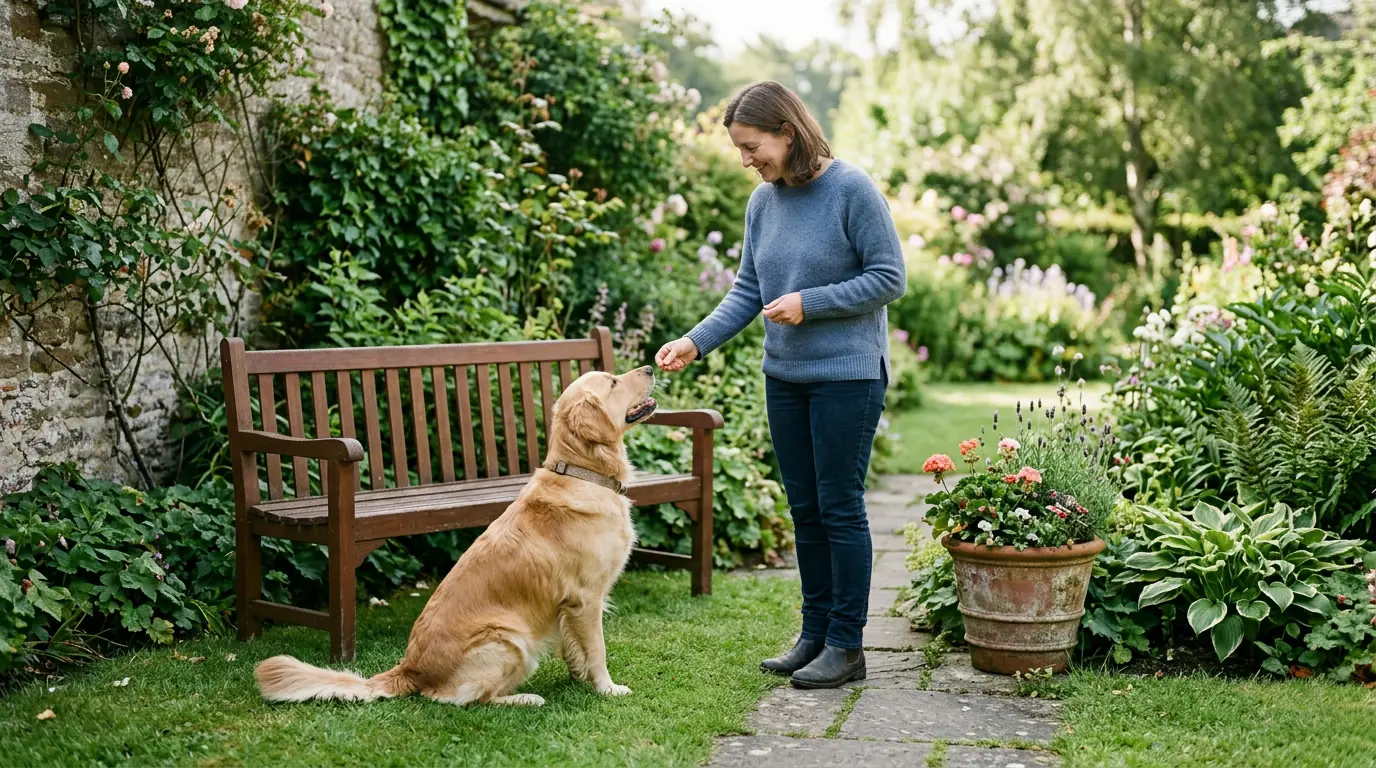
A Gentle Guide to Calmer Training for Reactive Pets
Understanding Reactive Behavior
A bark at the window or a lunge on a walk can make routines feel unpredictable. Our team recommends starting with manageable steps: notice what unsettles your pet, make space, and reward moments of calm.
Reactivity is an intense response to something a pet encounters. Fear, frustration, and other factors can contribute, so the same behavior does not always have the same cause. Watch for early signs of discomfort, such as stiffening, turning away, pacing, or becoming unusually alert.
If behavior changes suddenly or seems out of character, talk with your veterinarian. Pain and other medical concerns can affect behavior.
Check the product’s listed specifications when evaluating understanding reactive behavior.
Start With a Calmer Environment
Managing triggers is not giving up on training. It gives your pet a chance to settle while you plan what to practice. If activity outside a window sets off barking, close the curtains, move furniture away from the view, or offer a quiet spot farther inside your home. If a particular walking route is consistently crowded, choose a quieter time or route when practical.
For dogs, distance is a useful tool. Start far enough from a trigger that your dog can notice it without becoming overwhelmed and can still respond to you. Reward calm attention with something your dog values, such as a small treat. If your dog stiffens, barks, or cannot take a reward, calmly increase the distance rather than insisting on another repetition.
Keep practice short and allow breaks. Some pets prefer food rewards; others may respond better to a favorite toy or a chance to move away. Choose rewards and session lengths that suit your individual pet, and end on a manageable note.
Gentle Responses to Common Challenges
| Situation | Calmer first step | What to avoid |
|---|---|---|
| A dog reacts to passing dogs | Increase distance and reward calm attention | Forcing a close greeting |
| A pet reacts to activity outside | Limit the view and provide a quiet space | Scolding the reaction |
| A pet becomes overwhelmed during practice | End the session and allow a break | Continuing to expose the pet to the trigger |
Featured in this guide
The Gentle Approach to Reactive Pets – Calm Behavior Guide for Stress-Free Training | reactive pets help Digital Download
What to Avoid During Training
Punishment, intimidation, and forcing your pet to confront a trigger can increase fear or stress. A quiet reaction after a harsh correction does not necessarily mean your pet feels comfortable. Instead, reduce pressure and reinforce behavior you want to see.
For persistent or severe reactions, seek a qualified reward-based behavior professional who can help you build an individualized plan. If safety is a concern, contact your veterinarian for advice.
Check the product’s listed specifications when evaluating what to avoid during training.
Explore Our Calm Behavior Guide
Our The Gentle Approach to Reactive Pets digital guide is a digital download for caregivers seeking a calmer approach to training. Use it as a resource alongside the individualized advice of your veterinarian or behavior professional, especially when reactions are intense or safety is a concern.
As you set up a quiet practice area, keep household cords and other tempting objects out of your pet’s reach. If you also need a cable for your own devices, our 240W USB-C Fast Charging Cable is available separately; it is not a pet-training product.
Before choosing, compare the product details with your daily routine, available space, care needs, and preferred setup. The strongest option is usually the one that fits the intended use clearly and remains simple to clean, store, and check before repeat use.
It is also worth checking measurements, material notes, included parts, and compatibility details so the item matches the way it will be used after delivery.
FAQ
What not to do with a reactive dog?
Avoid punishment, intimidation, and forced close encounters with triggers. Create distance and seek qualified help when needed.
Will my reactive dog ever get better?
Many dogs can make progress with suitable management and reward-based training, but outcomes and timelines vary. A veterinarian or qualified behavior professional can help you set realistic goals.
See if The Gentle Approach to Reactive Pets – Calm Behavior Guide for Stress-Free Training | reactive pets help Digital Download fits your setup
Was this article helpful?
Yes
No


Leave a comment