
69% off on product page · save $102.93
Identify a Vase by Picture: Marks, Shape & Search Tips
To identify a vase by picture, photograph its full shape against a plain background in natural light. Take separate close-ups of the base, rim, handles, decoration, and any chips or repairs. A sharp photo of the underside is especially useful because a maker’s mark, label, or impressed number may narrow the search.
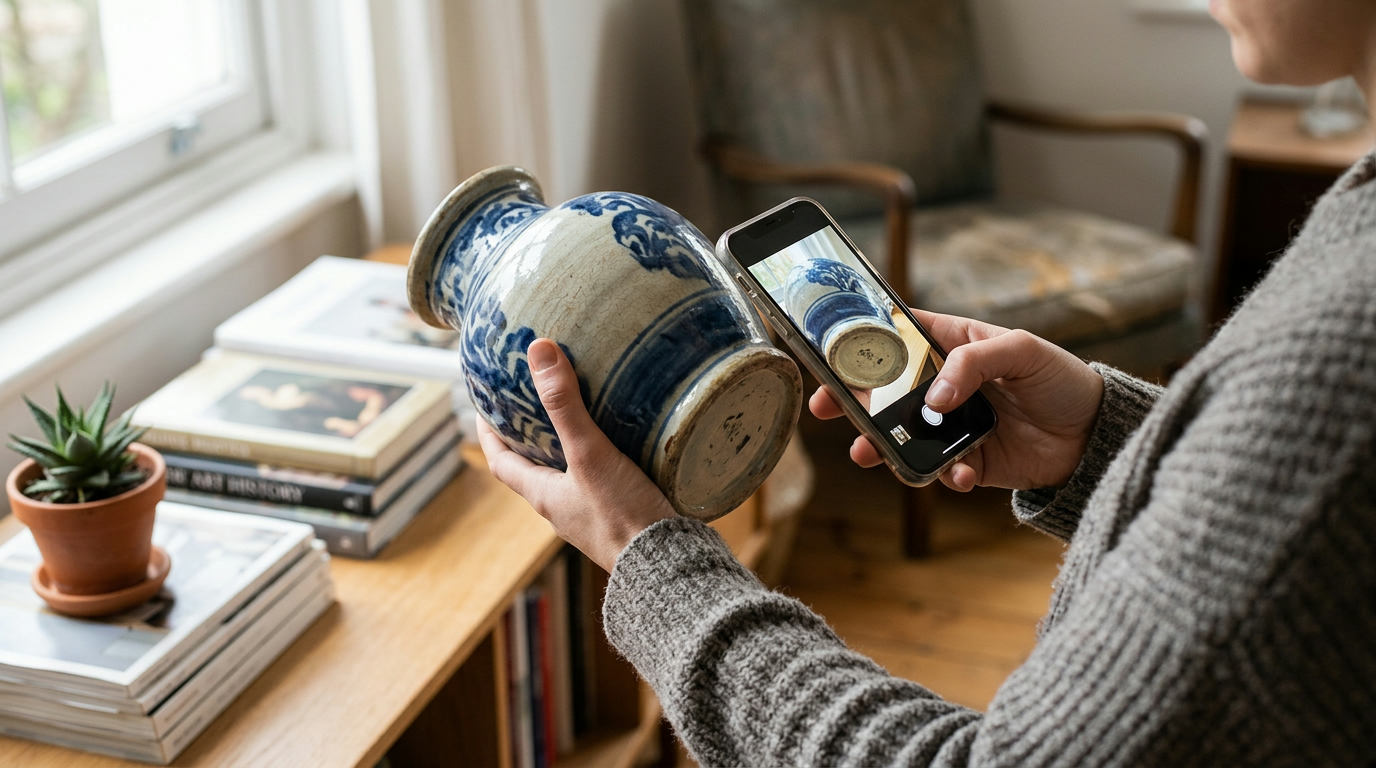
Note whether the vase appears to be glass, ceramic, porcelain, or metal, then examine its proportions and finish. A flared rim, unusual handles, raised decoration, or a recognizable pattern can distinguish it from similar pieces. Measure the height and widest diameter before comparing listings; two vases that look alike in photos may be different sizes.
Featured in this guide
Elegant European Porcelain Vase – Tabletop Home & Study Decoration
Try a visual search tool with a tightly cropped image of the entire vase, then repeat the search with a close-up of its decoration or mark. Type any legible letters or numbers into a separate search, including the material and color if known. Compare several results rather than relying on the first match, since visual search can group reproductions and originals together.
A convincing identification should agree on more than color: compare the silhouette, base, rim, pattern placement, and measurements. Look for photographs of the same mark on a matching piece, and be cautious when a seller’s description offers no supporting details. If the vase may be valuable, ask a qualified appraiser or specialist to examine it in person before treating a photo match as an attribution.
Once you have a likely maker or style, compare completed sales for pieces of similar size and condition rather than using asking prices alone. Disclose cracks, restoration, and missing labels when selling, and request underside photos when buying. For a fuller identification checklist, see how to identify a vase by picture.
Yes, Google Lens can search using a photo of a vase and show visually similar results. Treat those results as leads, then check the marks, measurements, and details against the actual piece.
Google Lens is a free option for finding glass pieces that look similar. For better results, photograph the glass against a simple background and include its base and any etched signature.
Visual search apps such as Google Lens can help you find similar pottery. They cannot reliably confirm a maker or age on their own, so check the clay body, glaze, and marks too.
Google Lens is a practical free starting point because it searches visually similar images and pages. Its best match is not necessarily an accurate identification, especially for common vase shapes.




Leave a comment