69% off on product page · save $102.93
Porcelain vs. Ceramic Vases: How to Choose
Porcelain is a type of ceramic, so the distinction is not between two entirely separate materials. Both start with clay and are hardened by heat, but porcelain typically uses a refined clay blend and is fired at a higher temperature than common earthenware or stoneware. The result is usually a denser, less porous vase with a finer-looking surface. When comparing pieces, check the material description rather than relying on color alone: a white vase is not necessarily porcelain.
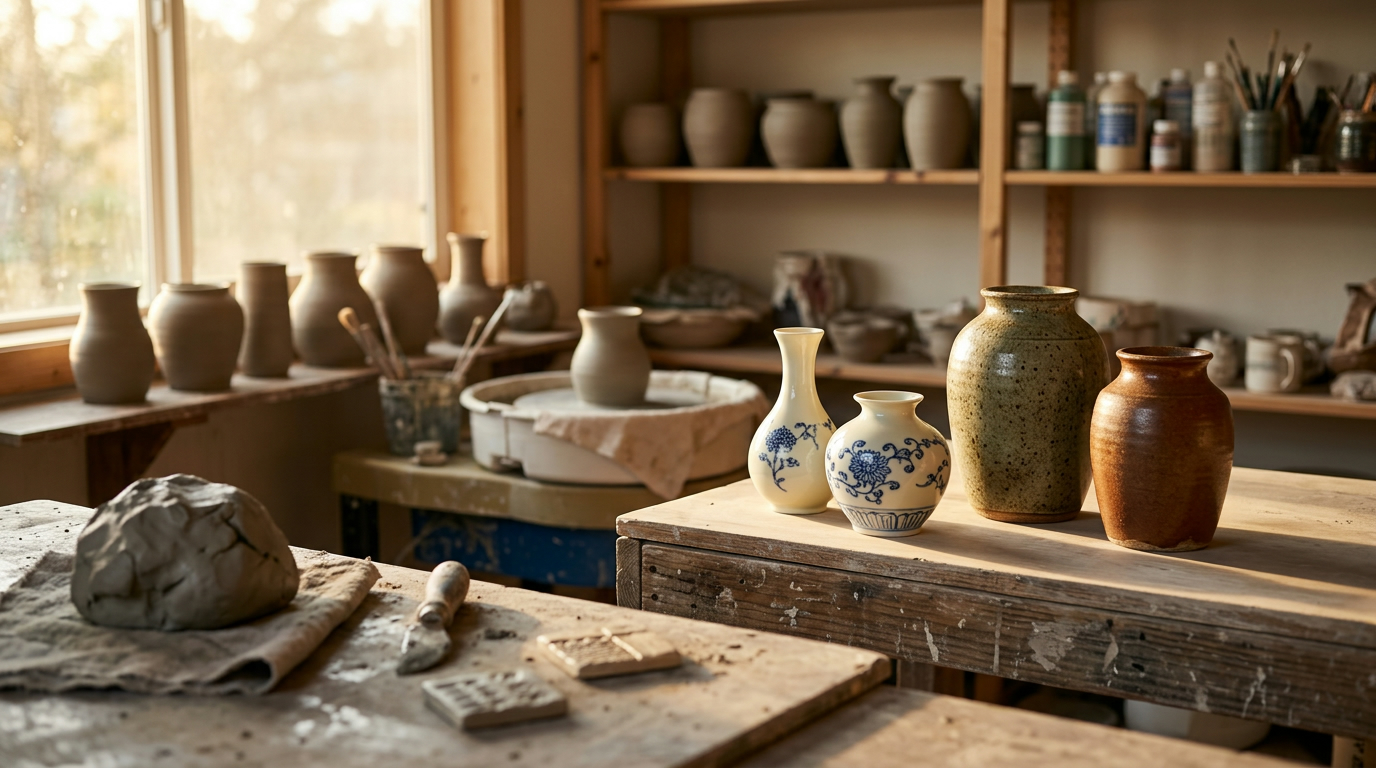
Porcelain often has a smooth, crisp finish that suits delicate patterns, thin rims, and polished silhouettes. Other ceramic vases can offer a broader range of looks, from glossy glazes to textured, matte, or intentionally irregular surfaces. If you want a formal accent for a mantel or dining table, inspect porcelain pieces for even glazing and clean edges. For a more relaxed display, a stoneware or earthenware vase may provide the visible texture you prefer.
Featured in this guide
Elegant European Porcelain Vase – Tabletop Home & Study Decoration
Porcelain is generally less porous, but a finished vase’s suitability for water depends on its construction and glaze. Some decorative ceramic pieces are intended only for dried stems, even when their interiors look glossy. Before adding fresh flowers, confirm that the product is labeled watertight or suitable for water, and check that the interior is fully glazed. If that information is unavailable, use a separate watertight insert to protect the surface beneath the vase.
Neither material is immune to chips or cracks, especially at narrow necks and exposed rims. A heavy stoneware vase may feel reassuring on a low shelf, while a lighter, refined porcelain piece can be easier to move when rearranging a display. Compare the base width with the height of your stems before buying; tall branches need a stable footprint. To clean either material, follow the maker’s instructions and avoid abrasive scrubbers that could dull a decorative finish.
Choose porcelain when you want a refined surface and precise detailing; choose another ceramic, such as stoneware, when texture or a handmade look matters more. Price alone is not a reliable guide to quality, since size, decoration, and craftsmanship also affect cost. For a closer look at the materials and their uses, see the full guide to porcelain and ceramic vases. Check the listed dimensions, care instructions, and water-use guidance before selecting a piece for your space.
Porcelain is ceramic, so first check the maker’s label for the specific material. Porcelain often has a finer, smoother body than earthenware or stoneware, but appearance alone cannot confirm what a vase is made from.
Porcelain is a good choice for a refined look and a typically less porous body. Other ceramics may be better if you prefer texture, varied glazes, or a particular handmade finish; for fresh flowers, prioritize a vase confirmed to be watertight.




Leave a comment